
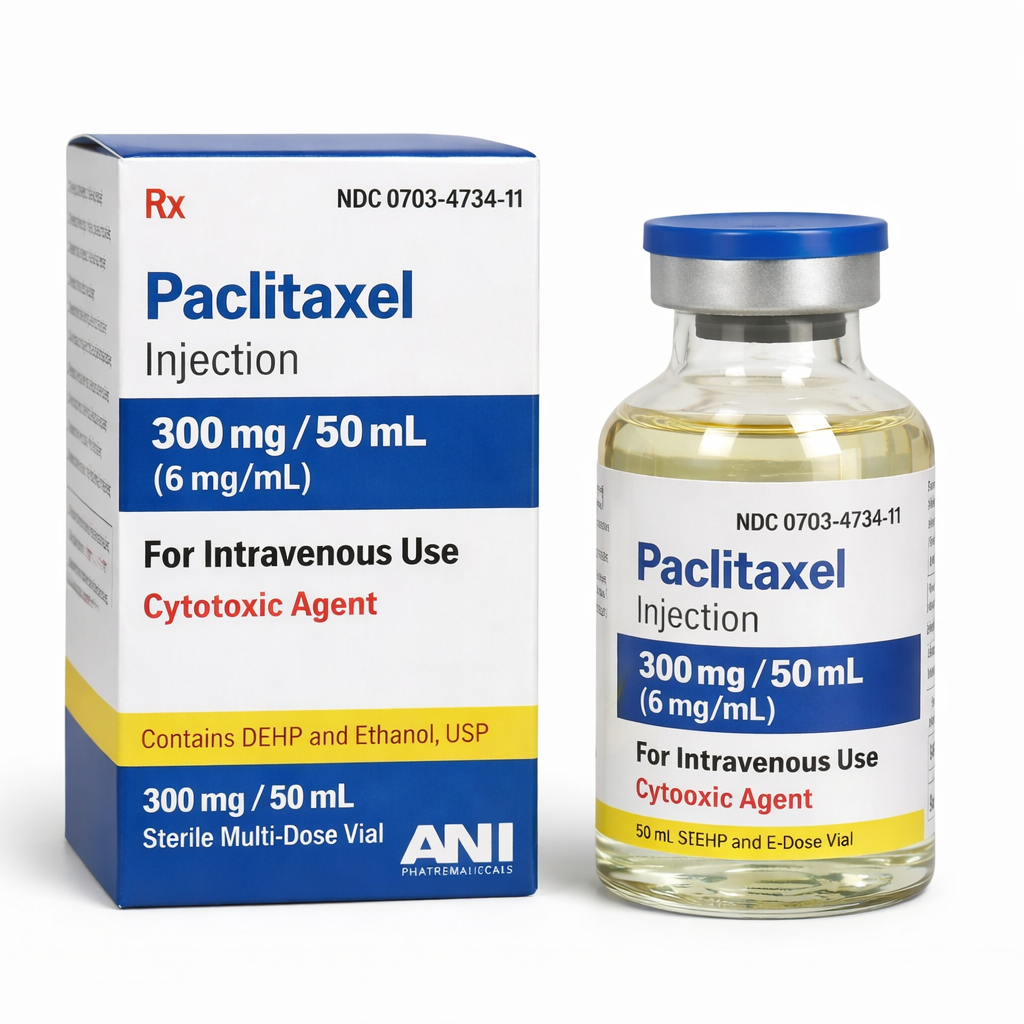
Description
What is Paclitaxel (Taxol)?
Paclitaxel, commonly known by the brand name Taxol, is a widely used chemotherapy medication designed to treat a variety of cancers. It belongs to a class of drugs called taxanes, which work by preventing cancer cells from dividing and spreading. Paclitaxel is frequently prescribed for breast cancer, ovarian cancer, lung cancer, and pancreatic cancer, among other solid tumors. Administered under the supervision of medical professionals, it has become a cornerstone in modern oncology treatment due to its proven effectiveness and versatility.
How Paclitaxel Works
Paclitaxel works by stabilizing microtubules within cancer cells, preventing them from breaking down during cell division. This action disrupts the process of cell replication, ultimately causing cancer cell death. Unlike some chemotherapy drugs that attack DNA directly, Paclitaxel targets the structural framework of the cell, which is crucial for division. This unique mechanism makes it effective against rapidly dividing cancer cells while minimizing damage to non-dividing cells.
Medical Uses of Paclitaxel
Paclitaxel is primarily used to treat breast cancer, ovarian cancer, non-small cell lung cancer, and pancreatic cancer. It may also be used in combination with other chemotherapy agents to improve treatment outcomes. Its effectiveness in reducing tumor size and slowing cancer progression has made it a preferred option in first-line and adjuvant chemotherapy protocols. Doctors tailor each treatment plan based on the patient’s cancer type, stage, and overall health condition.
Dosage and Administration
Paclitaxel is administered through intravenous infusion (IV) in a hospital or clinical setting. The dosage is carefully calculated based on factors such as the patient’s body surface area, cancer type, and treatment cycle. Infusion schedules vary depending on the cancer being treated, and patients are monitored closely for side effects during and after administration. Proper medical supervision is essential to ensure safety and maximize treatment effectiveness.
Potential Side Effects
Paclitaxel may cause a range of side effects, which should be monitored carefully. Common side effects include hair loss, nausea, vomiting, low blood cell counts, neuropathy (nerve damage), and fatigue. Some patients may also experience mild allergic reactions during infusion. Medical teams often provide supportive care to minimize side effects, including medications to reduce nausea and protective measures for nerve and blood health. Prompt reporting of any unusual symptoms is essential for safe treatment.
Precautions and Safety Information
Patients receiving Paclitaxel should undergo regular blood tests and monitoring of liver function. It is not recommended during pregnancy or breastfeeding due to potential risks to the baby. Paclitaxel may interact with other medications, so patients must inform their healthcare provider about all ongoing treatments. Following the prescribed schedule and dosage is critical for safe and effective therapy.
Why Paclitaxel is Important
Paclitaxel (Taxol) is a cornerstone chemotherapy drug known for its effectiveness against multiple cancer types and its unique mechanism of action. It can be used alone or in combination with other treatments, making it highly versatile in oncology protocols. When administered under proper medical supervision, Paclitaxel offers patients a reliable treatment option that helps improve outcomes, reduce tumor growth, and manage cancer progression effectively.
Reviews
There are no reviews yet.