
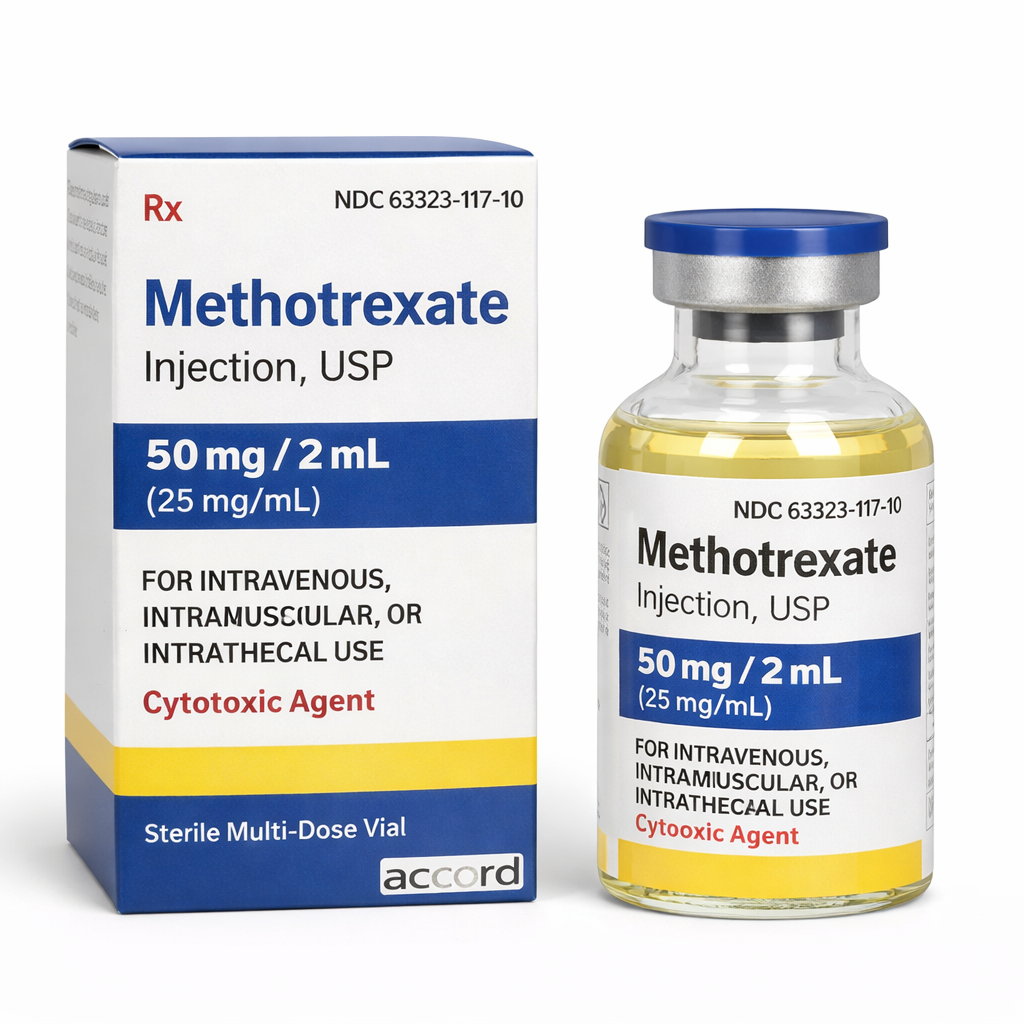
Description
What is Methotrexate?
Methotrexate is a widely used chemotherapy and immunosuppressive medication classified as an antimetabolite drug. It is commonly prescribed for the treatment of various cancers, including leukemia, breast cancer, and head & neck cancers, as well as certain autoimmune conditions. Methotrexate works by slowing or stopping the growth of rapidly dividing cells, particularly cancer cells. Due to its effectiveness and versatility, it has become a cornerstone in both oncology and immune-related therapies, administered under strict medical supervision.
How Methotrexate Works
Methotrexate functions by inhibiting the enzyme dihydrofolate reductase (DHFR), which is essential for DNA synthesis and cell replication. By blocking this enzyme, Methotrexate prevents cancer cells from producing the DNA and RNA necessary for growth and division. This action primarily affects rapidly dividing cells, making it highly effective against cancer. Additionally, its ability to suppress immune system activity makes it useful in treating autoimmune diseases, providing dual therapeutic benefits.
Medical Uses of Methotrexate
Methotrexate is primarily used in the treatment of leukemia, breast cancer, and head & neck cancers. It may also be prescribed for other cancers such as lymphoma and osteosarcoma. Beyond oncology, Methotrexate is widely used in lower doses to manage autoimmune disorders like rheumatoid arthritis and psoriasis. It can be administered alone or in combination with other chemotherapy drugs to improve treatment outcomes. Treatment plans are tailored to the patient’s specific condition, stage of disease, and overall health status.
Dosage and Administration
Methotrexate can be administered in several forms, including oral tablets, intravenous (IV) injection, or intramuscular injection, depending on the condition being treated. Dosage is carefully calculated based on the patient’s body surface area, medical condition, and response to treatment. In cancer therapy, it is often given in cycles to allow recovery between doses, while lower doses may be used for long-term management of autoimmune diseases. Close monitoring is essential to ensure safe and effective use.
Potential Side Effects
Methotrexate may cause side effects, which can vary depending on the dosage and duration of treatment. Common side effects include nausea, vomiting, fatigue, mouth sores, low blood cell counts, and liver toxicity. Some patients may also experience increased sensitivity to sunlight or mild hair thinning. Regular monitoring and supportive care help manage these effects effectively. Patients are advised to report any unusual or severe symptoms to their healthcare provider immediately.
Precautions and Safety Information
Patients taking Methotrexate should undergo regular blood tests and liver function monitoring to ensure safe use. This medication is not recommended during pregnancy or breastfeeding due to potential risks to the fetus or infant. Alcohol consumption should be limited, as it may increase the risk of liver damage. Patients must inform their healthcare provider about all medications, supplements, and existing health conditions to avoid interactions and complications. Strict adherence to medical guidance is essential.
Why Methotrexate is Important
Methotrexate remains a vital medication in both cancer treatment and autoimmune disease management due to its proven effectiveness and versatility. Its ability to target rapidly dividing cells and regulate immune responses makes it a reliable and widely trusted therapy. When used under proper medical supervision, Methotrexate provides patients with an effective option for controlling disease progression and improving overall treatment outcomes.
Reviews
There are no reviews yet.