
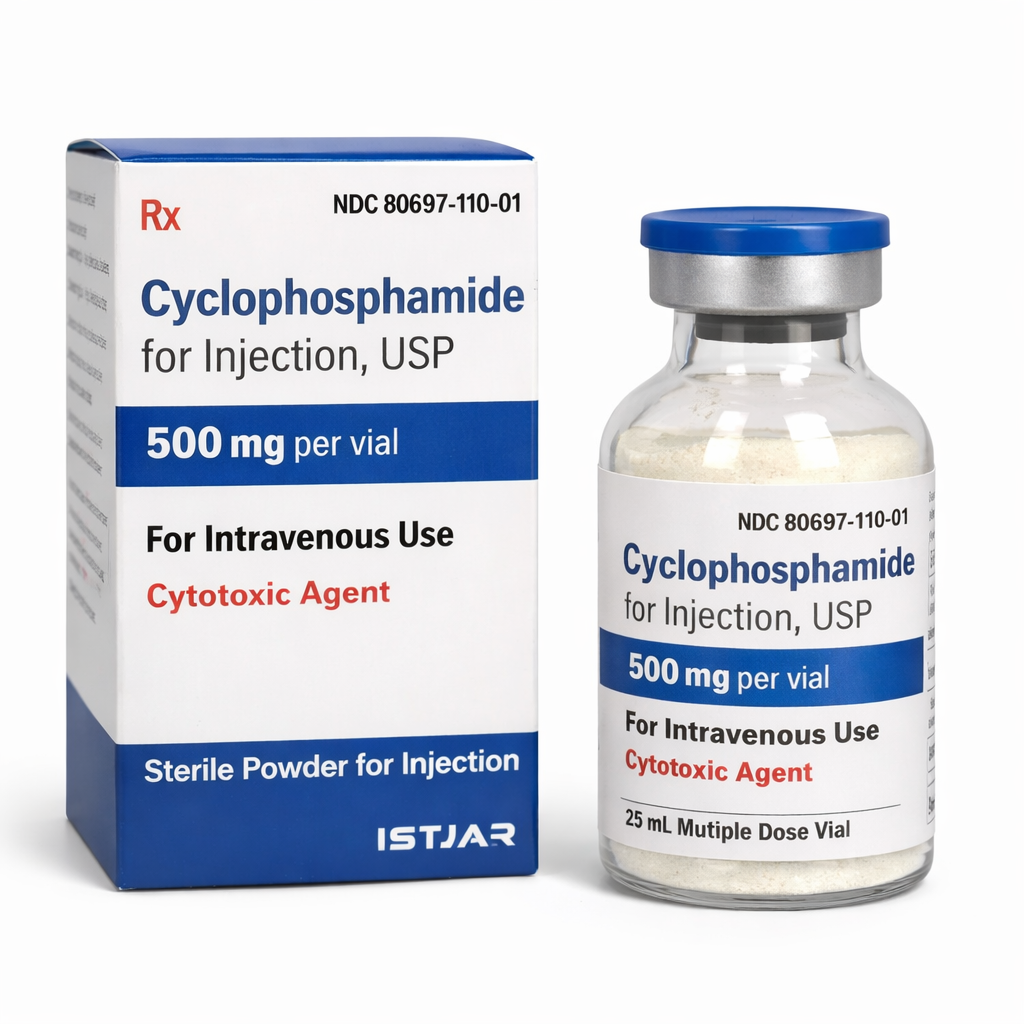
Description
What is Cyclophosphamide?
Cyclophosphamide is a widely used chemotherapy and immunosuppressive drug that belongs to the class of alkylating agents. It is prescribed for the treatment of various cancers, including breast cancer, ovarian cancer, leukemia, lymphoma, and multiple myeloma. Cyclophosphamide works by interfering with the DNA in cancer cells, preventing them from dividing and growing. It can also suppress the immune system in conditions such as autoimmune disorders, making it a versatile medication in both oncology and immunology.
How Cyclophosphamide Works
Cyclophosphamide functions by adding alkyl groups to the DNA of rapidly dividing cells, which prevents these cells from replicating. This action leads to cell death, particularly in fast-growing cancer cells. The drug is also effective in reducing overactive immune responses in autoimmune conditions. Its dual ability to target both cancer and abnormal immune activity makes Cyclophosphamide a cornerstone therapy for many serious medical conditions.
Medical Uses of Cyclophosphamide
Cyclophosphamide is commonly used in the treatment of various cancers, including breast cancer, ovarian cancer, lymphoma, leukemia, and multiple myeloma. It is also prescribed in lower doses to manage autoimmune disorders such as rheumatoid arthritis, lupus, and vasculitis. Depending on the condition, it may be used alone or in combination with other chemotherapy drugs to improve effectiveness. Treatment plans are individualized according to patient health, type of disease, and treatment goals.
Dosage and Administration
Cyclophosphamide is administered either orally in capsule form or intravenously (IV), depending on the condition being treated. Dosages are carefully calculated based on the patient’s body weight, disease type, and treatment regimen. In cancer therapy, it is typically given in cycles to allow the body time to recover between doses. For autoimmune conditions, lower doses are often used for long-term management. Patients are closely monitored for side effects and overall health during treatment.
Potential Side Effects
Cyclophosphamide can cause side effects, which vary depending on the dosage and treatment duration. Common side effects include nausea, vomiting, hair loss, low blood cell counts, and bladder irritation. Long-term or high-dose therapy may increase the risk of more serious effects, such as kidney problems or secondary cancers. Adequate hydration and medical supervision are essential to minimize risks. Patients should report any unusual symptoms to their healthcare provider promptly.
Precautions and Safety Information
Patients taking Cyclophosphamide should undergo regular blood tests, kidney monitoring, and liver function assessments. It is not recommended for pregnant or breastfeeding individuals due to potential risks to the fetus or infant. Cyclophosphamide may interact with other medications, so patients should inform their doctors about all ongoing treatments. Strict adherence to the prescribed dosage and schedule is critical for safety and effectiveness.
Why Cyclophosphamide is Important
Cyclophosphamide remains a vital medication in both cancer treatment and autoimmune disease management. Its ability to target rapidly dividing cells and modulate the immune system makes it highly effective in a wide range of conditions. When used under proper medical supervision, Cyclophosphamide offers patients a reliable and flexible treatment option with proven results in improving disease outcomes.
Reviews
There are no reviews yet.