
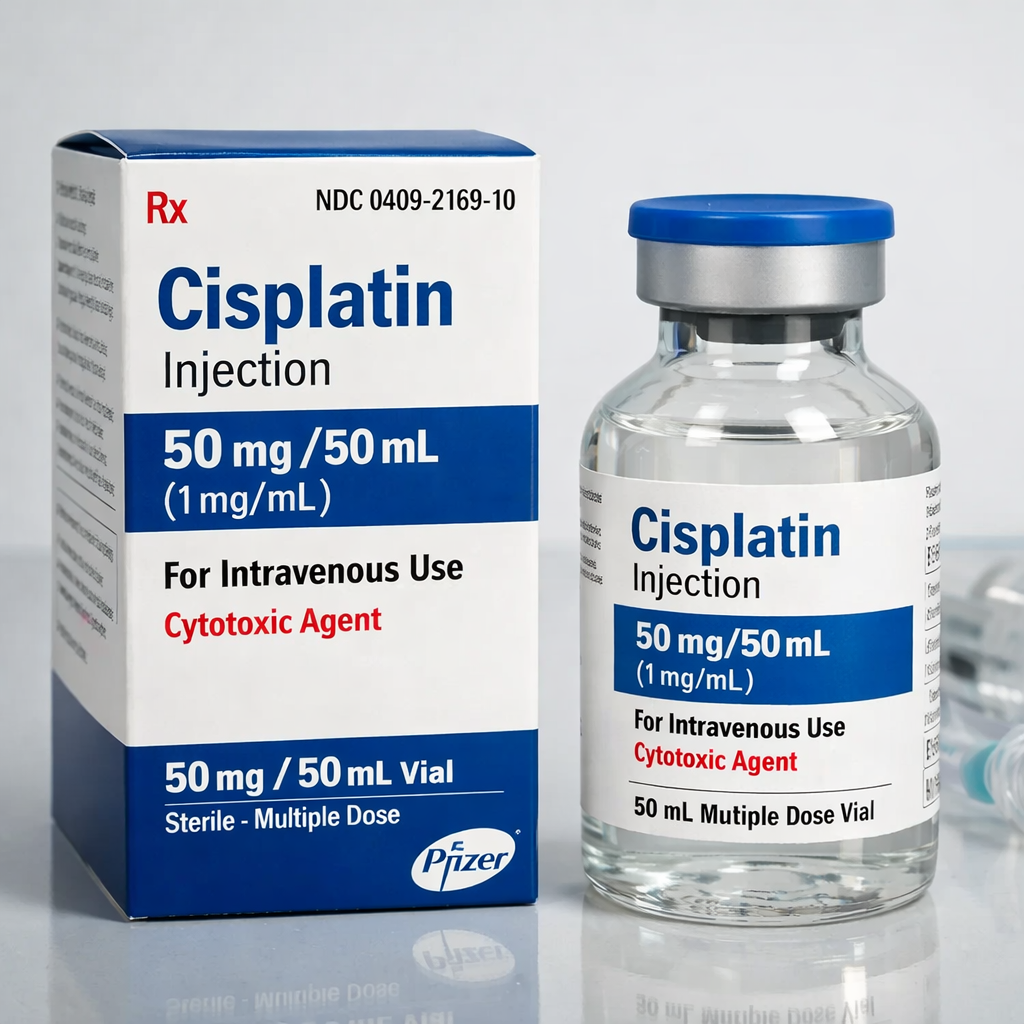
Description
What is Cisplatin?
Cisplatin is a platinum-based chemotherapy drug widely used to treat various types of cancer. Known for its effectiveness in targeting rapidly dividing cells, Cisplatin interferes with the DNA of cancer cells, preventing them from multiplying and ultimately causing cell death. It is a trusted medication in oncology, particularly for treating testicular, ovarian, bladder, and lung cancers, as well as other solid tumors. This drug is typically administered under professional medical supervision to ensure accurate dosing and patient safety.
How Cisplatin Works
Cisplatin functions by forming cross-links within the DNA strands of cancer cells, which disrupts their ability to replicate. This mechanism makes it a potent chemotherapy agent that selectively affects cancerous cells more than normal cells. The platinum component is essential for its action, making Cisplatin a cornerstone in many cancer treatment protocols. When combined with other chemotherapy drugs, it can improve treatment outcomes and increase the likelihood of tumor reduction.
Uses of Cisplatin
Cisplatin is primarily prescribed for cancers such as testicular cancer, ovarian cancer, bladder cancer, and lung cancer, but it can also be used to treat other solid tumors. It is often part of combination therapy, paired with other chemotherapy agents to enhance efficacy. Its versatility makes it a widely recommended choice for oncologists worldwide. Patients receive treatment plans tailored to their cancer type, stage, and overall health condition, ensuring maximum benefit with minimal risk.
Dosage and Administration
Cisplatin is administered through intravenous injection, usually in a hospital or clinical setting. Dosage varies depending on the type of cancer, the patient’s weight, kidney function, and treatment plan. Patients are typically monitored for side effects and kidney health during and after administration. Proper hydration is often maintained during treatment to reduce the risk of kidney toxicity. Adherence to prescribed schedules and close supervision by healthcare professionals is crucial for safe and effective treatment.
Potential Side Effects
While highly effective, Cisplatin can cause side effects that require careful management. Common issues include nausea, vomiting, low blood cell counts, kidney problems, hearing loss, and neuropathy. Patients are advised to report any unusual or persistent symptoms immediately. Healthcare providers take precautions to minimize these effects, including pre-treatment hydration, dose adjustments, and regular monitoring. Awareness and early management of side effects are essential for maintaining patient well-being during chemotherapy.
Precautions and Warnings
Cisplatin requires careful handling due to its potential risks. Patients should inform their doctor of any pre-existing conditions, allergies, or medications they are taking. Pregnancy should be avoided while undergoing treatment, as Cisplatin can harm fetal development. Kidney function and overall health are continuously monitored throughout therapy. Following medical guidance and adhering strictly to treatment plans ensures the drug is both effective and safe.
Why Choose Cisplatin
Cisplatin remains one of the most trusted chemotherapy drugs worldwide due to its proven efficacy against multiple cancers. Its versatility, combined with careful medical supervision, ensures that patients receive a treatment that maximizes outcomes while managing risks. Whether used alone or in combination with other therapies, Cisplatin continues to play a crucial role in modern cancer care.
Reviews
There are no reviews yet.