
Description
What is Doxorubicin (Adriamycin)?
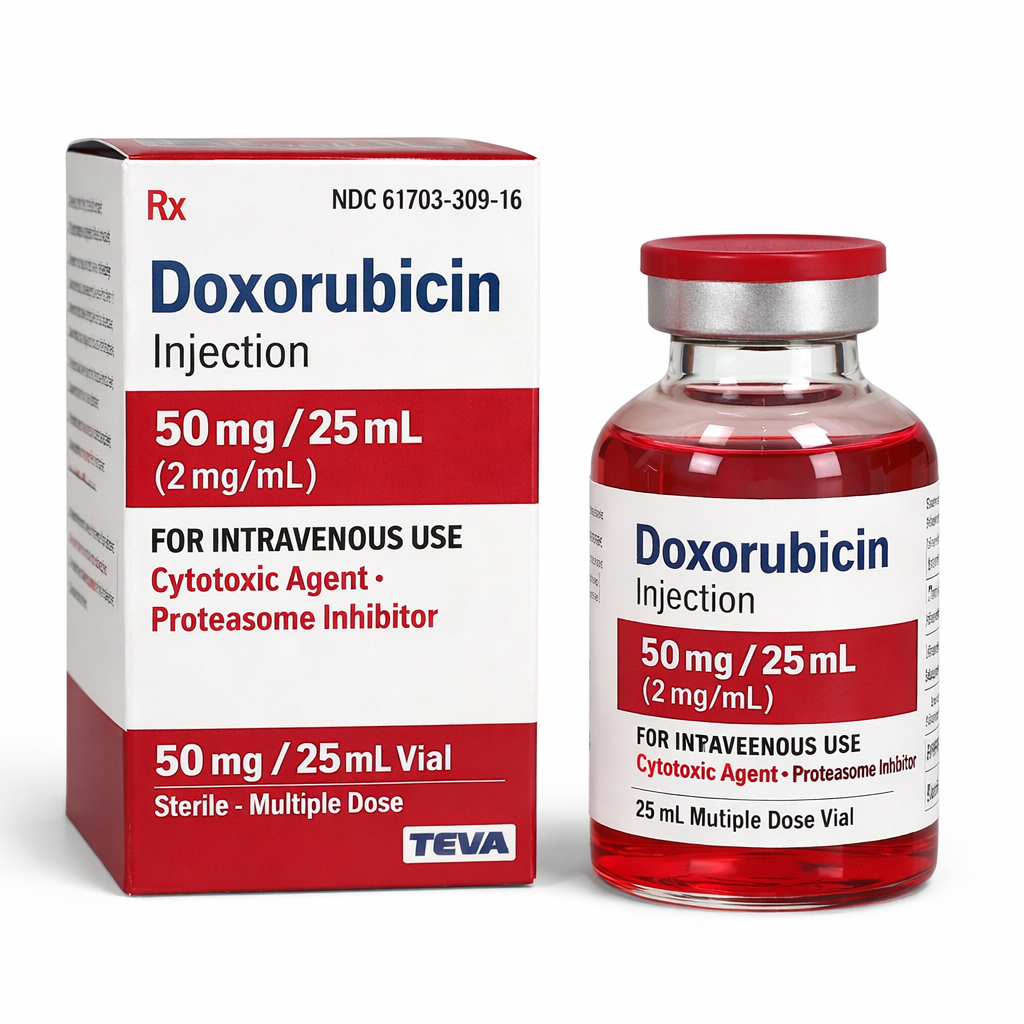
Doxorubicin, commonly known by the brand name Adriamycin, is a powerful chemotherapy medication widely used in the treatment of many types of cancer. It belongs to a class of drugs known as anthracycline antibiotics, which are specifically designed to slow or stop the growth of cancer cells. Doxorubicin is frequently prescribed for conditions such as breast cancer, leukemia, lymphoma, ovarian cancer, and lung cancer. Due to its strong anticancer properties, it plays a major role in many chemotherapy treatment protocols and is administered under the supervision of trained healthcare professionals.
How Doxorubicin Works
Doxorubicin works by interfering with the DNA inside cancer cells, preventing them from multiplying and spreading throughout the body. The drug inserts itself into the DNA structure and blocks the enzyme responsible for repairing damaged genetic material. This process ultimately causes the cancer cells to die. Because cancer cells divide rapidly, they are more vulnerable to the effects of Doxorubicin. Its mechanism of action makes it one of the most effective chemotherapy agents used in modern oncology treatment plans.
Medical Uses of Doxorubicin
Doxorubicin is commonly used to treat several forms of cancer, including breast cancer, Hodgkin’s lymphoma, non-Hodgkin’s lymphoma, leukemia, ovarian cancer, bladder cancer, and lung cancer. It may be used as a single medication or in combination with other chemotherapy drugs to improve treatment outcomes. Doctors often include Doxorubicin in multi-drug chemotherapy regimens because of its strong ability to target rapidly growing cancer cells. Treatment plans are customized based on the patient’s diagnosis, stage of cancer, and overall medical condition.
Dosage and Administration
Doxorubicin is administered through intravenous injection (IV) in a hospital or specialized medical facility. The dosage is carefully calculated based on the patient’s body surface area, cancer type, and treatment cycle. Chemotherapy treatments are usually given in cycles to allow the body time to recover between doses. Healthcare providers monitor patients closely during administration to ensure safety and effectiveness. Regular blood tests and health assessments are often required throughout the treatment period.
Possible Side Effects
Like many chemotherapy medications, Doxorubicin can cause side effects due to its impact on rapidly dividing cells in the body. Common side effects include nausea, vomiting, hair loss, fatigue, mouth sores, and low blood cell counts. Some patients may also experience temporary discoloration of urine, which can appear reddish for a short period after treatment. Medical professionals carefully monitor patients for any serious reactions and may adjust dosage or provide supportive treatments to manage side effects effectively.
Precautions and Safety Information
Patients receiving Doxorubicin should be monitored for heart function, liver health, and blood cell levels throughout treatment. This medication may not be suitable for individuals with severe heart conditions or certain medical complications. Patients should inform their healthcare provider about any medications, allergies, or existing health issues before starting therapy. Pregnant or breastfeeding individuals should avoid using this drug unless specifically directed by a medical professional due to potential risks.
Why Doxorubicin is Widely Used
Doxorubicin remains one of the most widely used chemotherapy drugs due to its strong effectiveness against multiple cancer types. Its ability to target and destroy cancer cells makes it a valuable component in many cancer treatment plans worldwide. When administered under proper medical supervision, Doxorubicin provides patients with a reliable option for combating cancer and improving treatment outcomes.
Reviews
There are no reviews yet.